


Gold bars have long represented stability, wealth, and long-term value. While the precious metal itself has remained virtually unchanged, the way it is packaged has evolved dramatically. From simple paper wrappers to advanced tamper-evident security cards, packaging has become an essential part of modern bullion. It now serves not only to protect the gold but also to confirm authenticity, improve traceability, and enhance confidence for buyers and collectors.
The Earliest Gold Bars Were Often Sold Without Permanent Packaging
 For much of the twentieth century, investment gold bars were surprisingly simple. Many refineries supplied cast or minted bars either loose or wrapped in plain paper envelopes. Some bars were accompanied by separate paper certificates that listed the weight, purity, and serial number.
This approach was practical for professional bullion dealers because the focus was placed entirely on the metal itself. Investors typically stored their gold in bank vaults or private safes, where the packaging mattered very little.
However, paper certificates could easily become separated from the bars. If the documents were lost or damaged, owners sometimes faced additional verification procedures when selling their gold. Although the gold retained its intrinsic value, incomplete documentation could make resale slightly less convenient.
Separate Certificates Eventually Became a Standard
As private investment in precious metals increased, refineries began issuing individual certificates alongside each bar. These certificates usually included:
- the refinery name
- the bar's serial number
- weight
- purity
- an assayer's signature
This system offered a significant improvement over completely unmarked packaging. Buyers could match the serial number on the certificate to the number engraved on the bar itself.
Nevertheless, certificates remained independent documents. Owners had to ensure that both the bar and its certificate stayed together throughout storage and transportation.
The Introduction of Sealed Plastic Packaging
One of the most important developments came with the introduction of sealed plastic holders.
Instead of delivering a loose bar and a separate certificate, many manufacturers permanently enclosed the bar inside transparent plastic packaging. This protected the gold from scratches, fingerprints, dust, and accidental damage while also making storage easier.
Plastic packaging also simplified inventory management. Dealers could quickly inspect bars without removing them from protective holders.
For collectors, sealed packaging preserved the original appearance of the product, which often helped maintain stronger resale appeal.
Certicards Changed the Industry
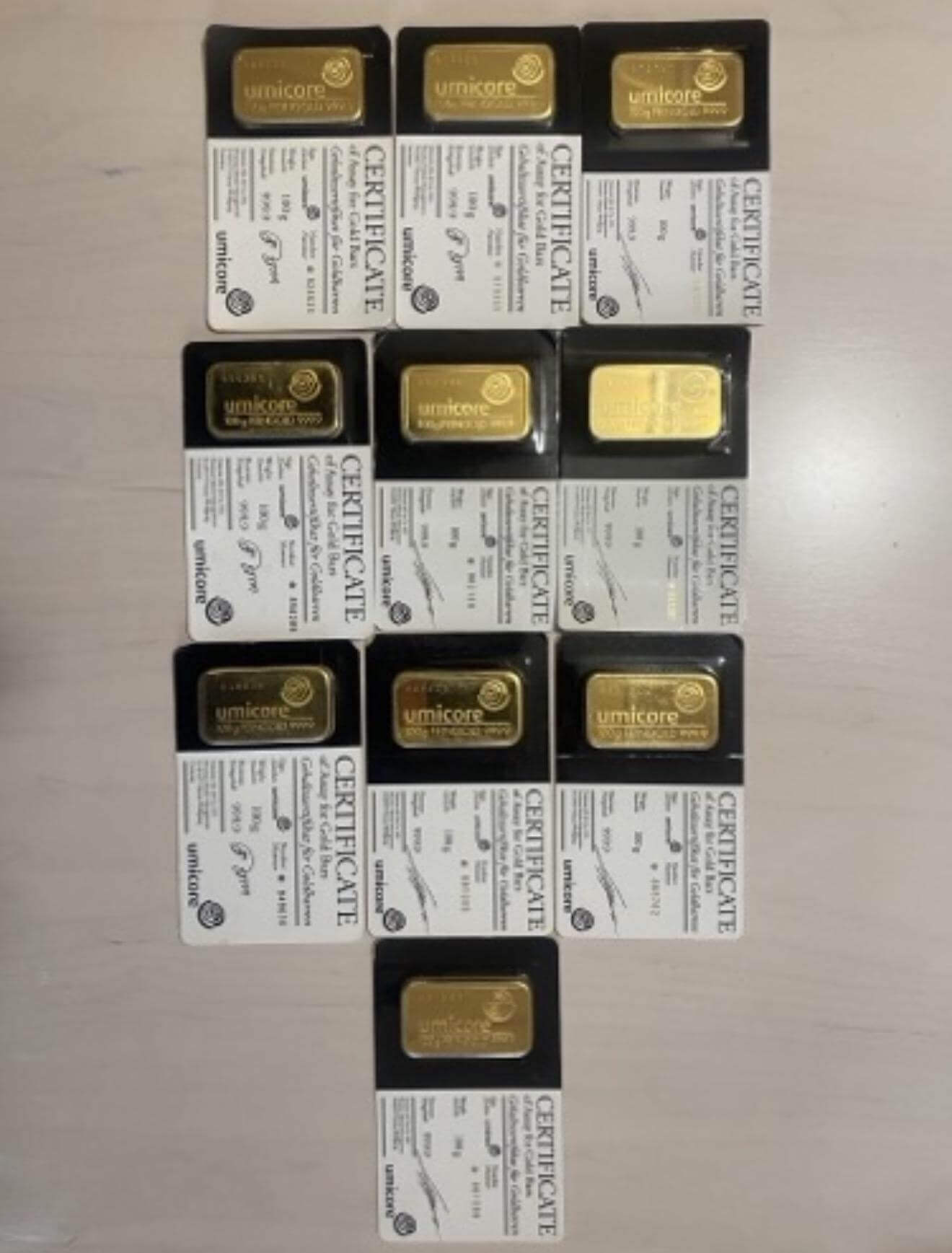
The biggest transformation occurred with the development of integrated certificate cards, commonly known as Certicards or assay cards.
In this design, the gold bar is sealed directly into a laminated plastic card that also functions as its official certificate.
Instead of carrying two separate items, owners now receive a single product containing:
- the gold bar
- assay information
- serial number
- refinery branding
- authenticity markings
This innovation significantly reduced the chance of certificates being misplaced.
Today, many leading refiners use this concept, although the exact design differs from one manufacturer to another.
Modern Packaging Focuses on Security
As investment demand increased, counterfeit attempts also became more sophisticated. Packaging therefore evolved beyond simple protection.
Modern assay cards frequently include numerous security features such as:
- holographic elements
- microprinting
- laser engraving
- ultraviolet markings
- complex background patterns
- optically variable inks
- embedded security films
- precision lamination
These features are often difficult to reproduce without specialized industrial equipment.
Many buyers now inspect the packaging just as carefully as the gold itself.
Different Refineries Developed Their Own Visual Identity
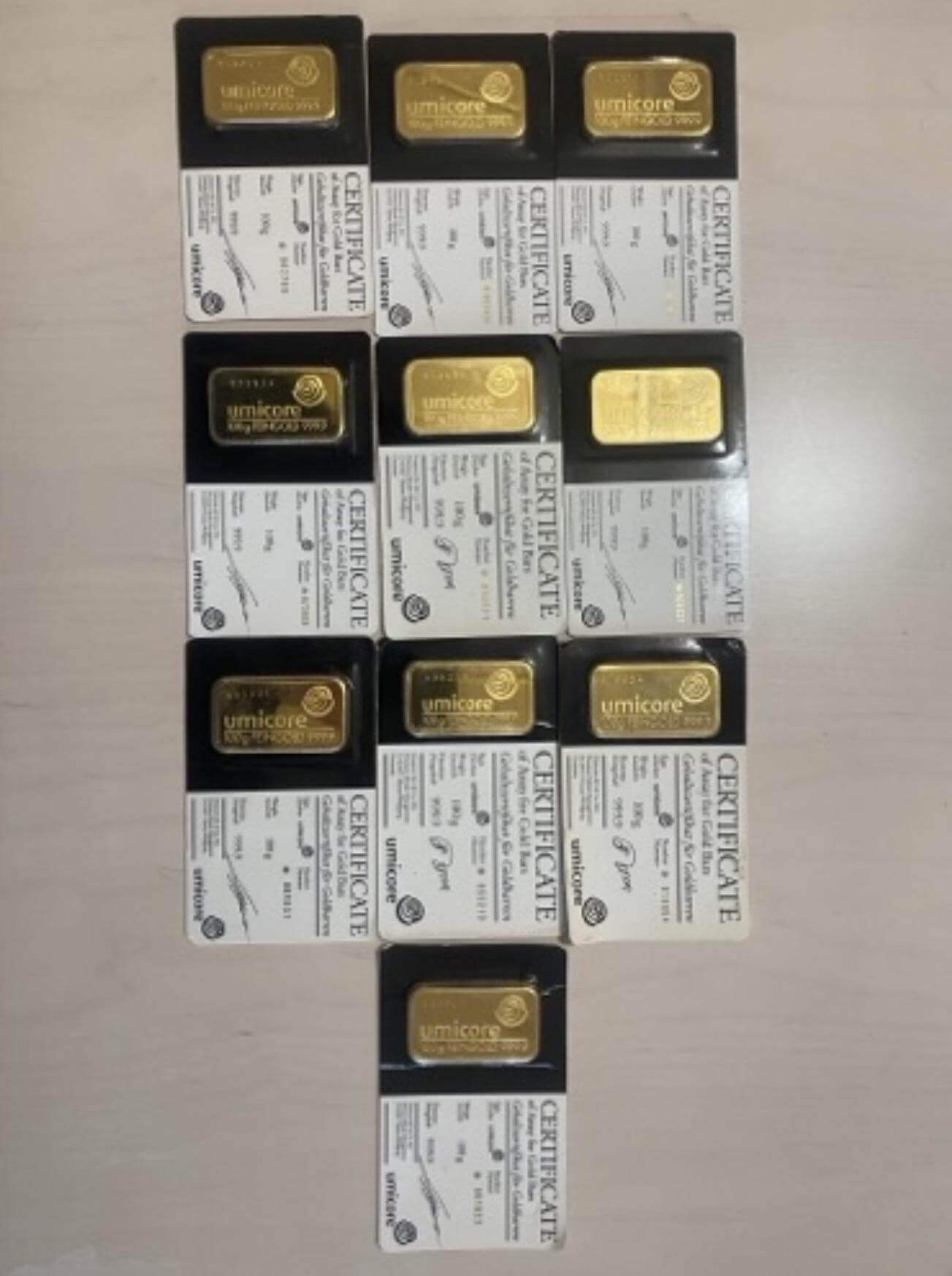 One interesting aspect of gold bar packaging is that there is no universal standard.
Each refinery has developed its own recognizable appearance over many decades.
Some prefer white assay cards with minimal graphics.
Others use black backgrounds to create stronger contrast with the gold.
Certain manufacturers use bright colors such as blue, orange, or silver, making their products immediately recognizable even from a distance.
Typography, logos, certificate layouts, and plastic molding also vary considerably.
As a result, experienced bullion buyers can often identify the refinery before reading its name simply by looking at the packaging.
Packaging Materials Have Also Improved
Early plastic holders sometimes became brittle after many years or developed slight discoloration.
Modern manufacturing has improved considerably.
Today's packaging generally uses:
- stronger polymers
- improved UV resistance
- higher optical clarity
- more durable lamination
- better scratch resistance
These improvements help preserve both the appearance of the gold and the readability of printed information over long periods of storage.
The goal is to ensure that packaging remains intact even after decades in safes or deposit boxes.
Technology Has Added Digital Verification
Packaging has entered the digital era.
Many contemporary bullion products now include technologies that were unimaginable several decades ago.
Depending on the manufacturer, packaging may feature:
- QR codes
- encrypted serial databases
- NFC authentication
- blockchain-based verification systems
- online certificate lookup services
These technologies allow buyers to verify product information more quickly while helping dealers manage inventories more efficiently.
Although not every refinery has adopted digital verification, its use continues to expand throughout the precious metals industry.
Collectors Often Appreciate Original Packaging
 For investors who purchase gold primarily for its metal value, packaging may seem secondary.
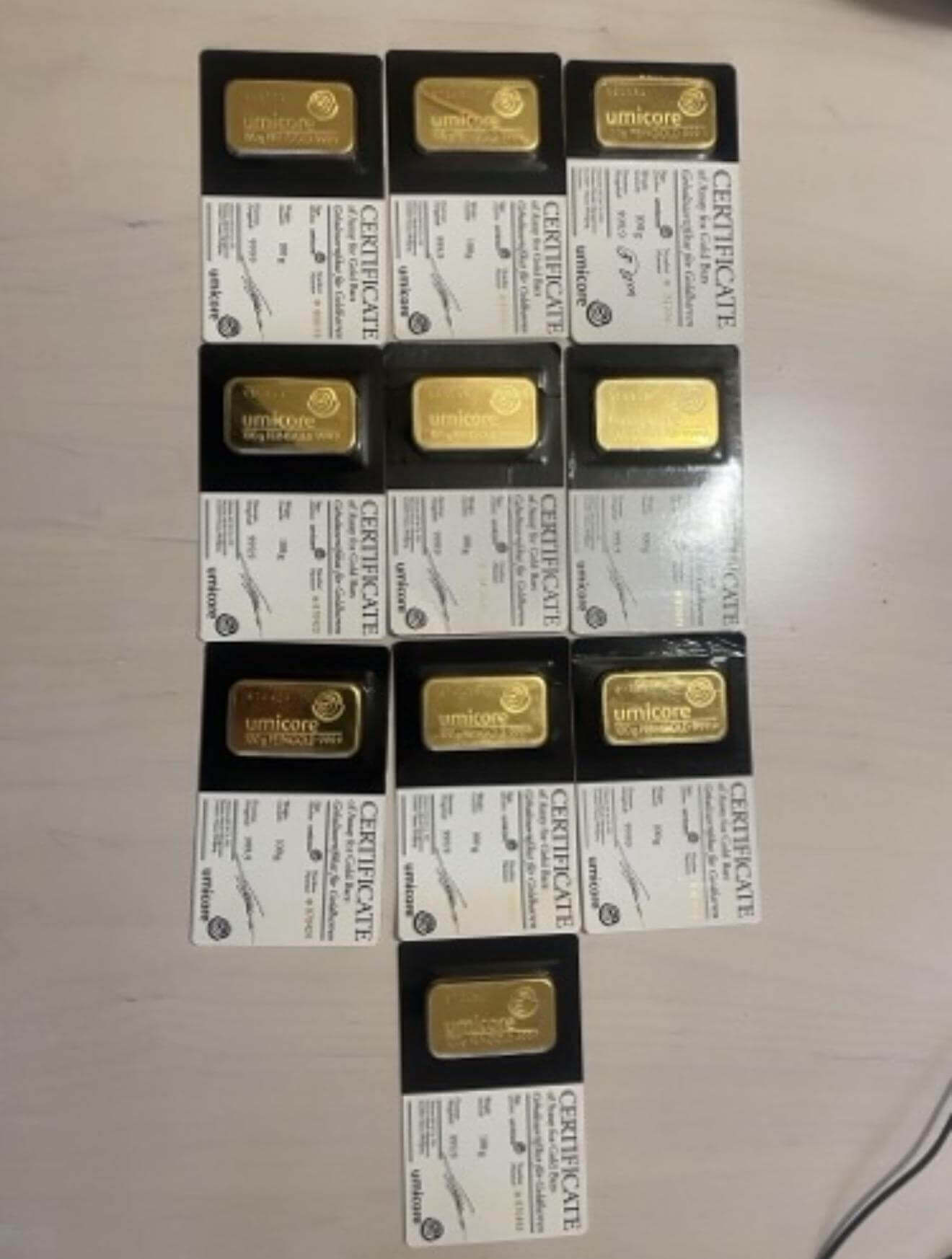
Collectors, however, often view original packaging as an important part of the product's history.
Certain discontinued packaging designs have become recognizable among enthusiasts because they represent particular production periods or refinery branding styles.
Older assay cards from previous decades can sometimes be appreciated not only for the gold they contain but also for their historical design.
This does not necessarily increase the intrinsic value of the metal, but original, well-preserved packaging is often viewed more favorably in the secondary market.
Damaged Packaging Does Not Necessarily Reduce Gold Value
Many first-time buyers worry that scratched or cracked packaging means the gold itself has lost value.
In reality, the precious metal remains the same.
Professional dealers evaluate gold primarily according to:
- weight
- purity
- authenticity
- current market price
However, damaged packaging may require additional verification before resale. In some cases, dealers may remove the bar from its original holder to perform further testing if the seal appears compromised.
For this reason, many investors choose to keep gold bars in their factory-sealed packaging whenever possible.
Why Packaging Will Continue to Evolve
The future of bullion packaging will likely combine physical security with digital authentication.
Manufacturers continue to invest in technologies that make counterfeiting more difficult while simplifying verification for buyers around the world.
Future developments may include more advanced encryption, improved smartphone authentication, embedded electronic security elements, and enhanced traceability throughout the supply chain.
At the same time, visual presentation will remain important. Investors appreciate products that are not only secure but also professionally designed and easy to identify.
Conclusion
Gold bar packaging has undergone remarkable changes over the past several decades. What began as simple paper certificates has evolved into sophisticated security systems that combine protection, authentication, branding, and digital technology. Modern packaging reflects the growing importance of trust in the precious metals market, giving buyers greater confidence when purchasing, storing, and eventually selling investment gold.
Although packaging styles differ between refineries, they all share the same purpose: protecting the integrity of the gold while making authenticity easier to verify. As technology advances, bullion packaging will almost certainly continue to evolve, but its central role in safeguarding both the product and buyer confidence is likely to remain unchanged.